Survival Strategy in the Post-GDS Era: Innovating Revenue Models with HaloSync
1. Executive Summary
The paradigm of the airline distribution market is shifting rapidly from the text-based booking environment driven by GDS (Global Distribution System) to a ‘Digital Retailing’ environment led by the NDC (New Distribution Capability) standard. However, the majority of travel agencies (OTAs/TMCs) face significant hurdles in adopting NDC due to the lack of technical resources for complex API integration and compatibility issues with legacy workflows.
HaloSync is a next-generation NDC aggregator developed by Halo&Co to bridge this technological gap in the fragmented market. This whitepaper analyzes how HaloSync delivers operational cost savings, differentiated content, and technical agility compared to traditional GDS systems. Furthermore, it highlights the new business value HaloSync proposes from an ‘Operational Optimization’ perspective, going beyond simple connectivity.
2. Market Background: Structural Limitations of Legacy GDS
For decades, the GDS (based on EDIFACT) has been the standard for airline distribution. However, in the modern e-commerce landscape, it faces several critical limitations:
- Lack of Content Expressiveness: Traditional systems transmit only text-based availability and price, failing to visually convey the value of ancillary services such as in-flight meals, seat upgrades, and Wi-Fi.
- High Distribution Costs: The high booking fees previously borne by airlines are now being passed on to travel agencies in the form of ‘GDS Surcharges’ (Distribution Cost Charge), weakening price competitiveness.
- Absence of Personalization: The legacy structure relies on static filing, making it impossible to create personalized offers based on customer data.
3. Solution: HaloSync Product Suite
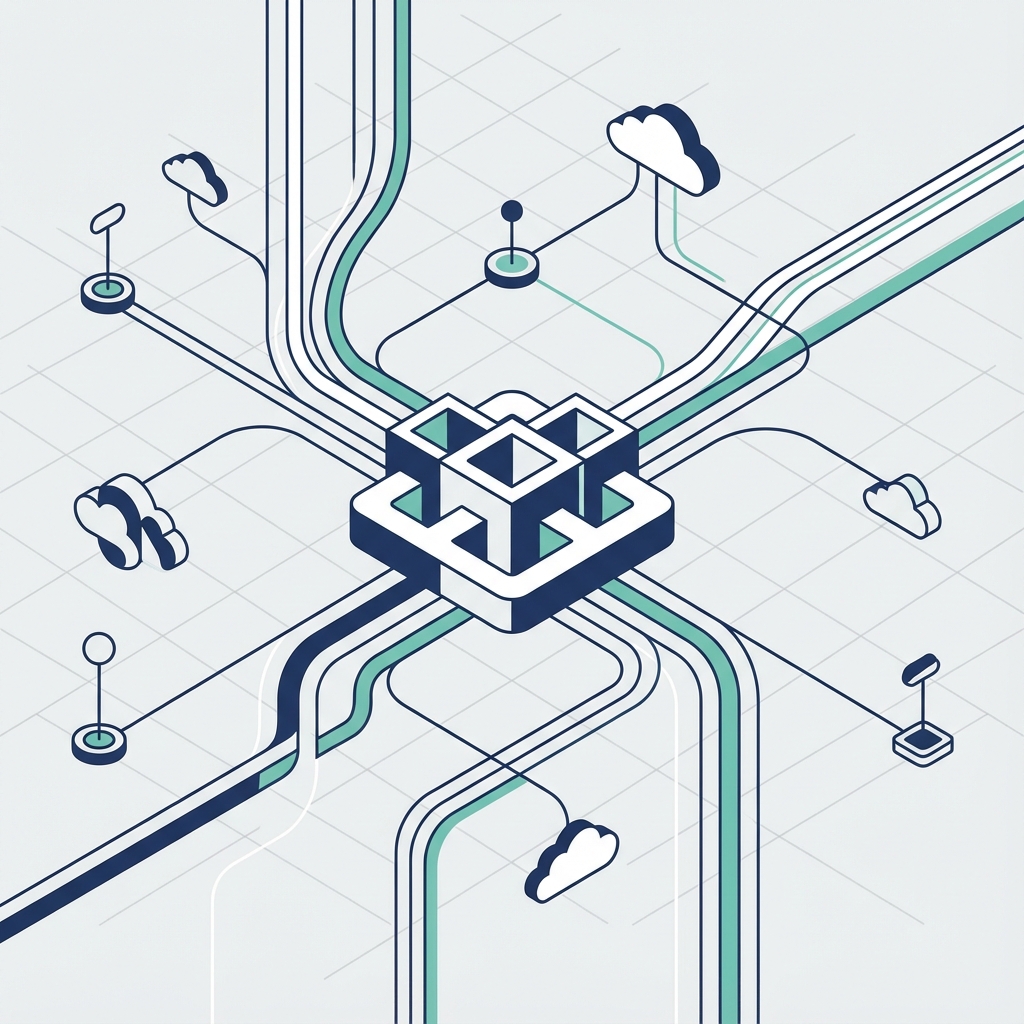
HaloSync provides a complete SaaS-based NDC Ecosystem connecting airlines (Supply) and travel agencies (Demand), rather than just a simple API pipeline. The system is organically composed of three key modules:
3.1. PolarHub (API Connectivity Hub)
A core engine that unifies fragmented NDC APIs from global airlines into a single standard (Universal API). Recent updates have elevated data processing performance and connection stability to an enterprise level.
- Unified Integration: We standardize disparate API specifications from individual airlines into a single PolarHub API. This drastically reduces the typical multi-month integration period to just 2–4 weeks, supporting the fastest Time-to-Market in the industry.
- Smart Orchestration: Handles complex transaction logic such as Shopping, Order Creation, and Ticketing within a streamlined workflow.
- Advanced Caching Engine: A high-performance caching system that efficiently manages search data for frequently queried routes. It delivers millisecond-level response times for repetitive requests and minimizes airline API call costs and load.
- Dynamic Timeout Management: Flexibly controls API response latency, which varies by airline and time of day. Instead of a rigid timeout setting, optimized wait times tailored to each airline’s environment are applied to lower failure rates and maximize booking success.
3.2. Luna (Web-based B2B Portal)
A web-based booking management portal (GUI) designed for travel agencies or agents lacking development resources.
- Zero-Code Adoption: Access and book NDC content instantly via the web upon account creation, without any system development.
- Full Lifecycle Management: Intuitive UI handles not only booking and ticketing but also the most resource-intensive post-booking processes (changes, cancellations, refunds), enhancing agent efficiency.
3.3. Albus (Intelligent Platform Control)
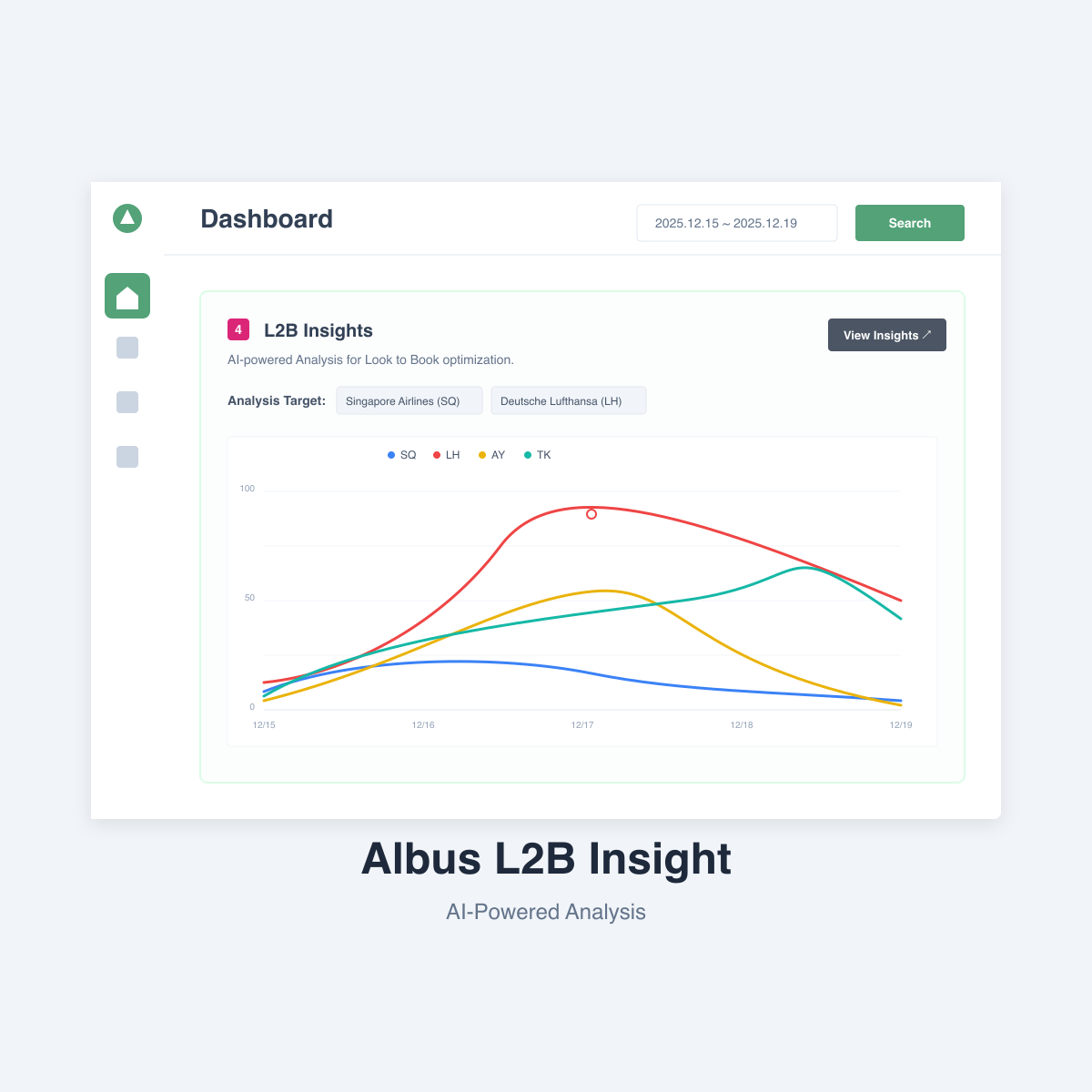
An intelligence dashboard for administrators dedicated to enhancing NDC profitability and operational efficiency.
- Advanced Promotion Engine: Deploy sophisticated promotion campaigns tailored to specific airlines, routes, periods, or customer segments, enabling strategic marketing beyond simple price competition.
- AI-Driven Traffic Optimization: Beyond setting permitted routes per airline, AI learns the real-time Look-to-Book (L2B) ratio. It automatically identifies and controls inefficient query patterns with low conversion rates, optimizing system resources and ensuring compliance with airline SLAs.
- Unified Security & RBAC: Centrally manages permissions for Albus and Luna users. Role-Based Access Control (RBAC) is applied to strictly control access to sensitive settings and data.
- AI-Powered Insight & Analytics: Going beyond basic statistical visualization, AI deeply analyzes L2B data and booking trends to derive business insights. It proposes concrete sales strategy improvements based on data, substantially supporting managerial decision-making.
4. Key Benefits of HaloSync vs. GDS
4.1. Cost Efficiency & Revenue Growth
- Avoid GDS Surcharges: Bypass the Distribution Cost Charge (DTC) imposed by major carriers like Lufthansa, Air France-KLM, and British Airways on GDS bookings to secure price competitiveness.
- Ancillary Monetization: Easily display and sell ancillary services (seat selection, extra baggage) that were difficult to sell in the GDS environment, increasing the average basket size.
4.2. Differentiated Rich Content & Personalization
- Visual Shopping Experience: Provide rich media content including images, videos, and detailed descriptions instead of cryptic codes, increasing purchase conversion rates.
- Dynamic Pricing: Immediately reflect airlines’ real-time continuous pricing, offering products with better conditions than static GDS fares.
4.3. Technical Agility & Scalability
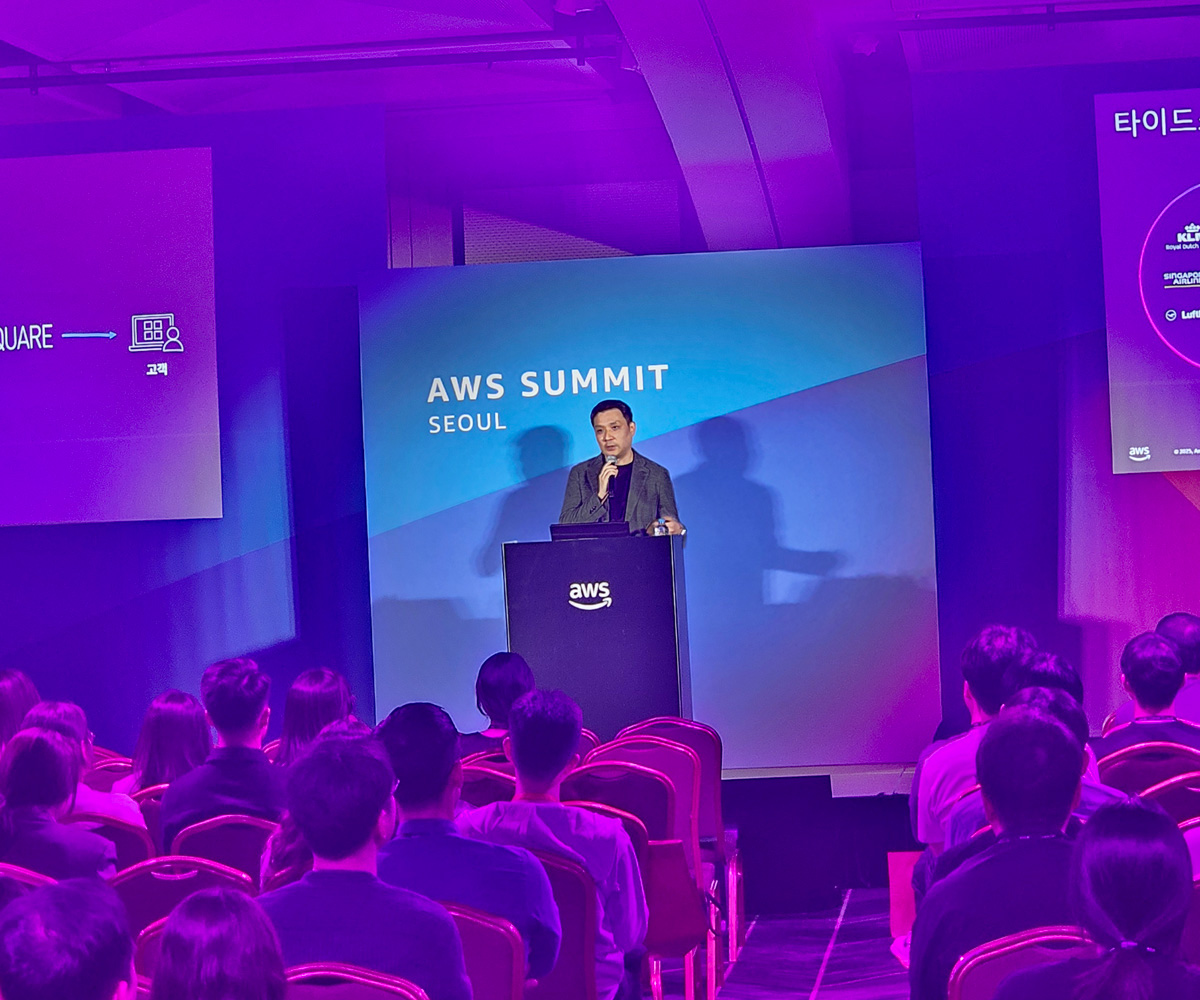
- AWS Cloud-Native: Built on AWS, HaloSync ensures stable service through auto-scaling even during traffic spikes.
- Zero Maintenance: HaloSync centrally handles frequent airline API changes and version updates, allowing agencies to reduce maintenance costs by over 80%.
- Enterprise Stability: Airline-specific timeout management and caching layers offset external system instability, providing consistent responsiveness to agencies.
- Security Compliance: Complies with ISO security standards and global data protection regulations, securely encrypting and processing booking information.
4.4. Operational Efficiency
- Post-Booking Automation: Solves the biggest challenge of NDC adoption by automating change, cancellation, and refund processes via the Luna Portal and API, drastically reducing reliance on manual agent work.
5. HaloSync’s Competitive Edge (vs. Other Aggregators)
Unlike general Tech Providers that merely act as an NDC API pipe, HaloSync aims for a Complete Ecosystem for Travel Business Success.
- All-in-One Solution: We provide a turnkey solution that includes not only the API for developers (PolarHub) but also a Booking Portal for non-technical staff (Luna) and a Revenue Management Tool (Albus). This means even small to mid-sized agencies with limited tech personnel can start an NDC business immediately.
- Completeness of Operations: While most competitors focus on the ‘booking’ stage, HaloSync has advanced the post-booking processes—cancellations, refunds, and schedule changes—where most operational resources are consumed. This leads to tangible operational cost reductions.
- Proven Traffic Control Technology: We have solved the issues of increased traffic costs and speed degradation caused by simple relay methods. HaloSync’s Smart Caching and AI-Driven Traffic Optimization offer a unique technical advantage by reducing load on airline systems while providing instant results to users.
6. Comparison Summary: GDS vs. HaloSync
| Category | Legacy GDS (EDIFACT) | Basic Aggregator | HaloSync (NDC Standard) |
|---|---|---|---|
| Communication Std. | EDIFACT (Legacy Text) | XML / JSON | XML / JSON (Modern Data) |
| Key Offering | Terminal Connection | Simple API Connection (Pipe only) | API + B2B Portal (GUI) + Admin Tool |
| Operational Scope | Booking/Ticketing/Service | Mainly Booking/Ticketing | Booking + Post-booking Automation |
| Adoption Barrier | High Learning Curve (Terminal) | Developer Required | Zero-Code (via Portal) ~ Low Effort |
| Cost/Revenue | Fees & Surcharges apply | Surcharge Waiver | Surcharge Waiver + Ancillary Revenue + Ops Cost Reduction |
7. Conclusion
The future of airline distribution is evolving from ‘booking’ to ‘selling experiences.’ While GDS remains a valid channel, adopting NDC is no longer a choice but a necessary survival strategy to secure competitive fares and differentiated services.
HaloSync is the most realistic and powerful alternative that allows for hybrid operation of GDS and NDC advantages without the risk of completely replacing legacy systems. Through the integrated ecosystem of PolarHub, Luna, and Albus, your company can break free from technical complexities and focus on the essential values of enhancing customer experience and maximizing profitability.
Now is the time to secure leadership in distribution channels through HaloSync.